Sustainable Packaging Australia - Why It Is Essential for Local Businesses

Sustainable packaging Australia is becoming an essential consideration for businesses seeking to reduce waste, improve material efficiency, and move toward more responsible long-term practices. Across manufacturing, agriculture, retail, and distribution, fibre-based packaging has become a preferred choice because it offers strength, reliability, and straightforward recycling. Many companies are replacing plastic components with paper-based alternatives that integrate easily into everyday workflows, providing a smooth transition without disrupting production or adding unnecessary cost.
Fibre packaging has also proven valuable in environments where speed and consistency are important. Its intuitive handling, dependable performance, and compatibility with common packing setups make it suitable for both small teams and large industrial operations. As expectations around sustainability continue to grow, paper-based packaging plays a key role in supporting stronger environmental outcomes while maintaining efficiency across the supply chain.
Understanding Sustainable Packaging in Everyday Workflows
Adopting more sustainable materials begins with understanding how they behave in real working conditions. Fibre-based options offer strength and versatility, making them suitable for wrapping goods, protecting surfaces, separating pallet layers, and reinforcing cartons. Their ability to adapt to different shapes and sizes allows them to support a wide range of products without requiring new tools or complex handling techniques.
One of the main advantages of paper-based packaging is its compatibility with existing systems. It works well on manual benches, packing stations, dispensers, and semi-automated setups. Staff can cut, tear, or apply the material quickly, helping busy teams maintain throughput without slowing down during peak periods. This familiarity reduces training time and ensures consistent results across shifts and locations.
Fibre materials also reduce reliance on plastic. Many businesses use them to replace films, sheets, or padding that are harder to recycle. This supports waste reduction goals while giving operations a reliable material that performs well during storage, transport, and handling.
Material Options That Support Practical Packaging Outcomes
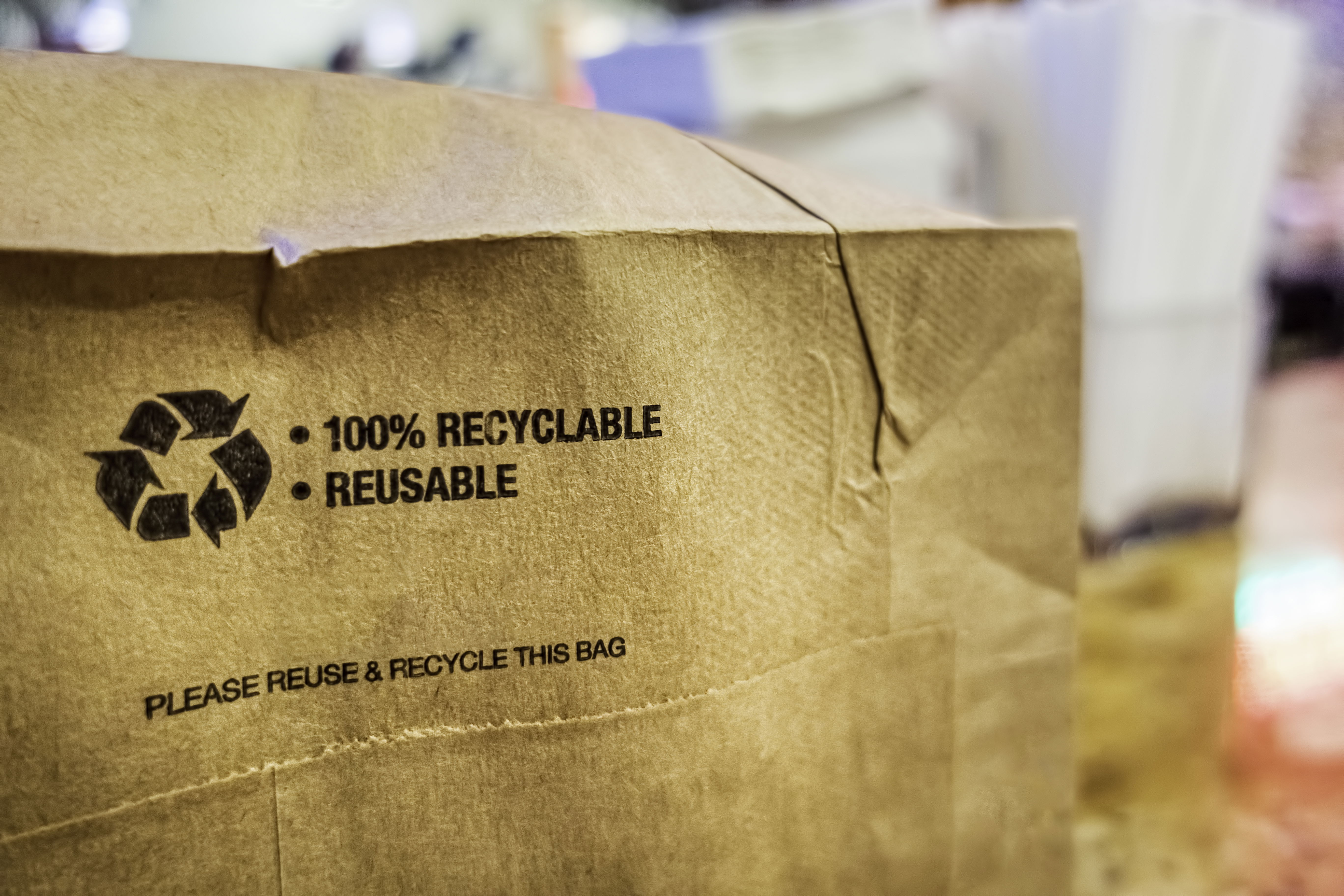
A wide variety of paper-based materials support different industrial needs. Lightweight papers provide dependable performance for tasks such as interleaving layers, protecting delicate surfaces, or filling voids inside cartons. Medium-strength papers are commonly used for wrapping components, reinforcing boxes, or creating protective layers between stacked items. Heavy-duty papers deliver additional strength for demanding applications such as stabilising metal parts, timber goods, or bulky materials during long-distance transport. Many businesses exploring sustainable packaging Australia options look for materials that combine durability, recyclability, and ease of handling, ensuring they can improve environmental outcomes without disrupting daily operation.
Many businesses prefer smooth brown papers for general use because they offer a natural appearance and are easy to recycle. Wet strength papers perform well in humid or cold environments, ensuring stability even when exposed to moisture. Recycled-content papers provide environmental benefits while still meeting the durability expectations required in industrial settings.
These materials can also be tailored to match specific applications. Grammage, tensile strength, and fibre mix influence performance, making it important to match the material to the product and the handling environment. Working with an experienced supplier such as Ipack Australia helps ensure each material supports operational requirements and aligns with sustainability goals without compromising reliability.
Designing Packaging That Performs in Real Industrial Conditions
Effective packaging must perform under a wide range of real-world pressures. Items are often stacked, moved, and transported repeatedly, and protective materials must handle these conditions consistently. Fibre-based packaging supports this by offering strong tear resistance and the ability to conform to irregular shapes. It is commonly used to stabilise pallet loads, protect surfaces, wrap components, and separate items in storage. These improvements are especially valuable for businesses working toward broader sustainable packaging Australia goals while maintaining dependable performance across every stage of the supply chain.
Testing materials under realistic conditions helps teams choose the right grade for each application. Tear strength checks, compression evaluations, vibration simulations, and small-scale transport trials all help identify how materials behave in everyday scenarios. These tests allow teams to refine packaging strategies before rolling them out across broader product lines.
Because fibre packaging can be layered or combined with simple accessories such as corners, liners, and pallet pads, it provides a flexible foundation for building reliable packaging systems. Many businesses find that small adjustments to paper grade or thickness lead to significant improvements in consistency and protection.
Sourcing Materials and Maintaining Reliable Supply
Reliable sourcing is essential for companies that depend on packaging materials daily. When reviewing wholesale packaging supplies, important considerations include fibre origin, quality controls, converting capabilities, and stock reliability. Businesses benefit from working with suppliers that offer local converting, as this provides faster turnaround times, greater flexibility with widths and lengths, and more predictable supply during peak periods.
Clear specifications and consistent material quality help operations maintain stable workflows. Strong delivery networks and responsive customer support are equally important, especially for businesses that manage multiple sites or shifting production schedules. Ipack Australia supports these needs by providing dependable fibre-based packaging that meets industrial standards and is available across a range of formats suitable for different applications.
Sourcing responsibly also includes selecting materials that align with environmental goals. Fibre packaging supports established recycling programs throughout Australia, making it easier for businesses to meet internal sustainability targets and reduce landfill contribution.
Improving Workflow Efficiency with Custom Packaging Solutions
Tailoring packaging materials to specific requirements can significantly improve efficiency. Many companies use custom packaging solutions to achieve precise measurements that reduce waste and improve handling. Adjusting factors such as roll width, sheet size, grammage, or core diameter ensures materials fit machines and stations perfectly, reducing offcuts and increasing speed.
Trialling customised materials on selected product lines provides valuable insights. Teams can observe how well the materials wrap, protect, and perform during handling. These results help determine whether a customised format should be implemented more broadly. Suppliers with in-house converting capabilities provide faster responses, allowing businesses to refine and improve materials as needs evolve.
Customised formats also support better standardisation across operations. When packaging aligns consistently with equipment and workflow, training becomes easier and productivity improves. Over time, these small improvements contribute to reduced waste, more efficient packing routines, and stronger overall performance.
Working with Local Packaging Partners
Choosing an experienced packaging supplier Melbourne teams can rely on is an important part of building dependable packaging systems. Local suppliers help reduce lead times, improve communication, and provide more responsive support when production needs shift. They can also assist with evaluating materials on-site, identifying opportunities for improvement, and recommending options that balance durability, cost efficiency, and environmental outcomes.
Partnering with a knowledgeable supplier ensures packaging decisions are supported with practical guidance and reliable supply. Consistent collaboration allows businesses to stay informed about new materials, upcoming improvements, and efficiency opportunities.
Conclusion
Sustainable packaging Australia is becoming an essential part of modern industrial and commercial operations. Fibre-based materials provide a dependable combination of strength, flexibility, and recyclability, making them suitable for wrapping, protecting, stabilising, and separating goods across many sectors. By choosing the right materials, testing performance in real conditions, sourcing from reliable partners, and exploring customised options, businesses can improve their packaging systems while supporting long-term environmental goals. With guidance from trusted suppliers such as Ipack Australia, sustainable packaging becomes a practical and beneficial component of everyday business operations.
FAQ
How does sustainable packaging Australia benefit my business?
It helps reduce waste, supports recycling programs, and provides reliable performance across most industrial applications.
Can fibre-based packaging replace some of our plastic materials?
Yes. Many paper-based materials can replace plastic films, void fill, and surface protection without disrupting workflow.
Will these materials work with our existing packing equipment?
In most cases they do. Paper-based materials are easy to cut, fold, and handle across manual and semi-automated setups.