Kraft Paper Rolls – All You Need to Know for Industrial Use
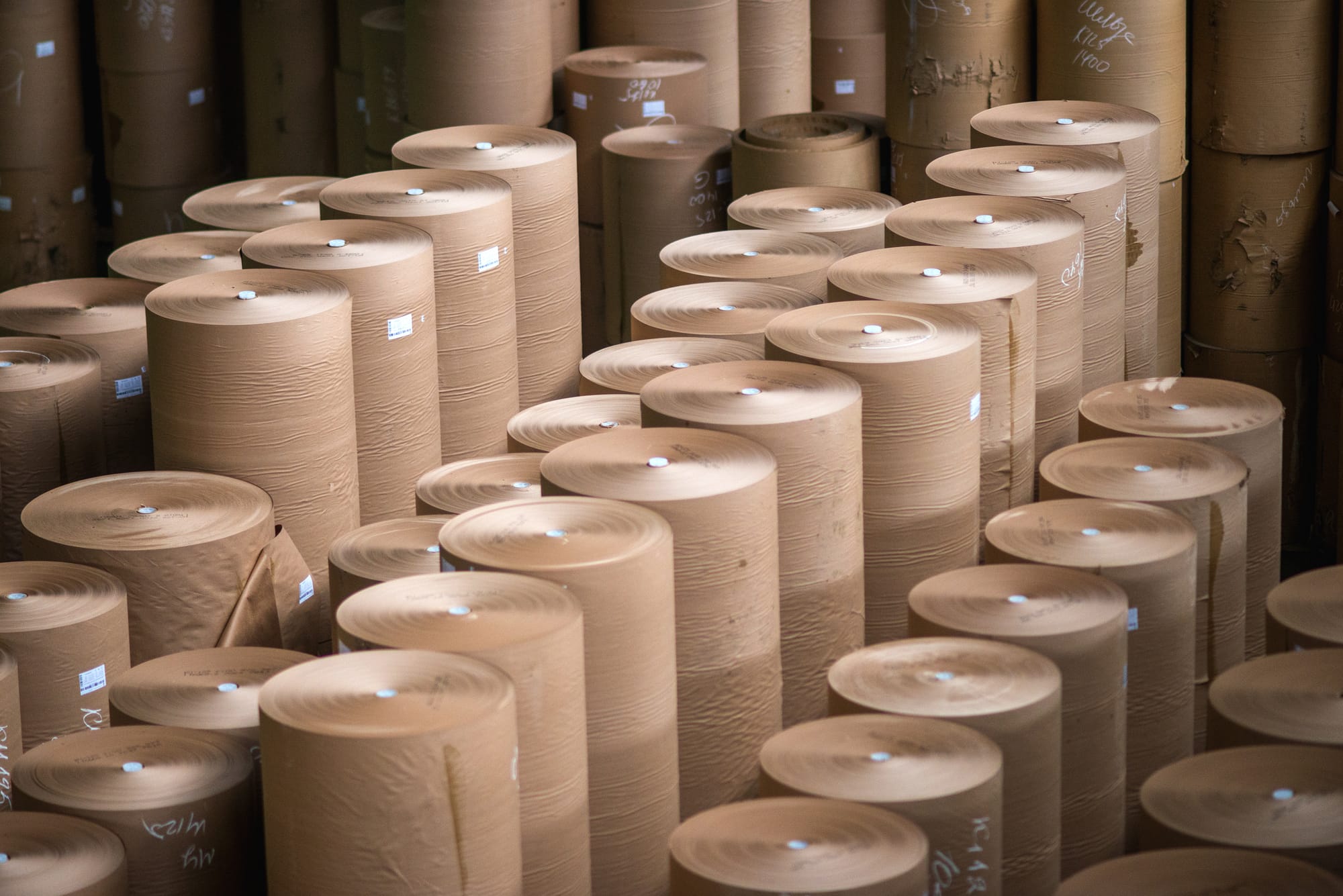
Kraft paper rolls are one of the most dependable and adaptable packaging materials used across Australian industries. Their durability, flexibility, and clean recyclability make them suitable for manufacturing plants, warehouses, agriculture, distribution centres, and export operations. Many businesses use this fibre-based material for wrapping, cushioning, surface protection, and pallet stabilisation, reducing reliance on plastics while maintaining strong production flow. Because these rolls come in multiple strengths, widths, and fibre compositions, they integrate easily into most packing lines without additional equipment. When sourced from a reliable supplier, they support operational efficiency, reduce waste, and offer long-term cost stability. For companies aiming to improve packaging systems without introducing complex changes, kraft paper rolls offer a foundation that is both practical and future-focused.
Kraft paper also contributes to improving workplace performance, as the material is intuitive to handle and quick for staff to learn. Its consistent performance across different environmental conditions makes it a trusted choice for businesses handling varied product types. With growing emphasis on recyclable solutions, kraft paper continues to play a central role in industrial packaging across Australia.
Understanding Kraft Paper Rolls in Daily Operations
Selecting the right packaging material requires understanding how it behaves within daily workflows. Kraft paper is valued for its strength-to-weight ratio, giving teams a dependable material that withstands stacking pressure, friction, and general handling without tearing easily. It works well as an outer wrap, an internal layer separator, or a protective barrier that prevents surface scratches and marks. Because the material conforms to irregular shapes and can be folded, rolled, or crumpled as needed, it provides a versatile solution for a wide range of tasks.
One of the main operational advantages is ease of use. Staff can work efficiently because kraft paper is simple to cut, tear, or dispense, whether using manual stands or semi-automated equipment. This helps maintain packing speed during busy periods and reduces training time for new team members. Its compatibility with existing tools and packing stations also keeps workflow changes minimal. For businesses looking to reduce plastic consumption in favour of recyclable fibre options, kraft paper rolls offer a dependable alternative that supports everyday operations without sacrificing protection or performance.

Material Options and Performance Considerations
Material selection is important when determining how kraft-based packaging will perform across different industrial applications. Lightweight grades are commonly used for interleaving, carton lining, void fill, and general surface protection. These grades provide enough strength for low-impact tasks while keeping material usage efficient. Medium grades add greater durability for wrapping metal components, timber sections, or boxed goods that experience regular handling. Heavy grades offer the highest level of resistance and are suitable for demanding environments or bulky products.
Many companies rely on brown kraft paper rolls because they combine strength with a natural fibre appearance and straightforward recyclability. They also provide a clean, professional presentation, making them suitable for both internal protection and customer-facing packaging. Wet strength kraft paper performs well in high-moisture areas or humid transport conditions, ensuring stability even when exposed to condensation. Recycled-content kraft options offer an environmentally conscious solution without compromising operational reliability.
When selecting materials, consider grammage, tensile strength, porosity, and fibre mix. These factors influence performance during palletisation, storage, and transport. Working with a knowledgeable supplier such as Ipack Australia ensures businesses receive materials tested and matched to their specific handling, machinery, and environmental conditions.
Designing Packaging That Performs Well in Real Conditions
Industrial packaging must consistently perform under real-world pressures. Whether goods are stacked in warehouses, transported long distances, or handled repeatedly, the material protecting them must endure a variety of stresses. Kraft paper rolls support these demands by offering reliable tear resistance and the flexibility to adapt to different shapes and surfaces. This makes them suitable for stabilising pallet loads, wrapping machinery parts, protecting timber, and acting as a buffer between stacked items.
Successful packaging design begins with testing. Basic evaluations including tear tests, compression checks, drop trials, and abrasion assessments help determine whether a selected grade of paper can handle the required conditions. Real-world trials such as wrapping a product through a full workflow cycle, staging it on a pallet, and simulating transport allow teams to identify potential issues before large-scale implementation. Kraft paper is also easy to modify; teams can adjust the number of layers, combine it with protective corners, or add additional liners as needed. This adaptability allows businesses to refine their protective systems without significant cost increases.
Because kraft paper supports a wide range of applications, many packaging improvements can be achieved simply by adjusting grade or thickness rather than introducing new materials. This makes it valuable for operations aiming to standardise packaging across multiple product lines.
Sourcing Packaging Materials Responsibly and Maintaining Supply
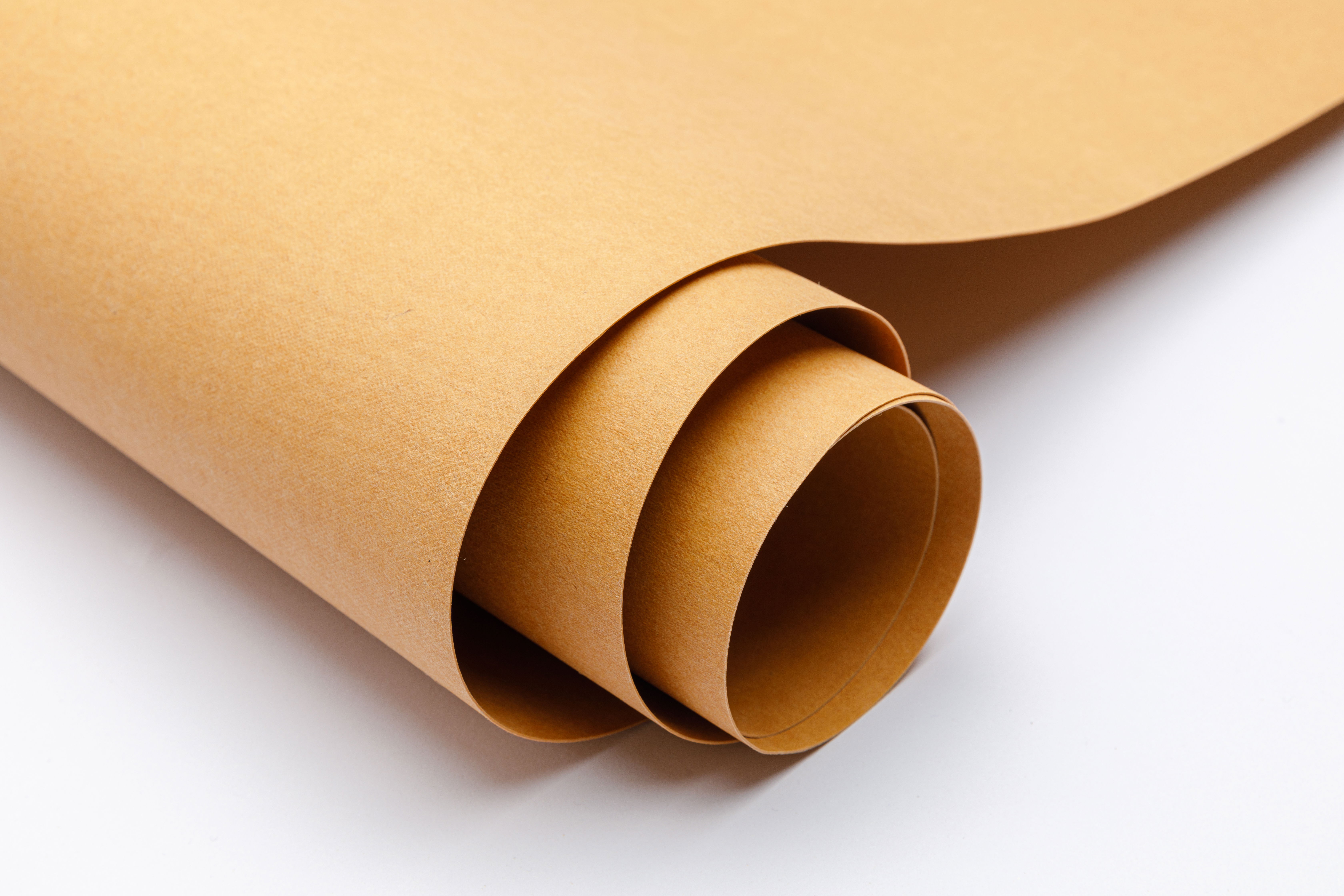
Reliable sourcing is essential for any business that depends on fibre packaging. When reviewing wholesale packaging supplies, teams should evaluate fibre origin, recycled content, manufacturing standards, and converting capabilities. Choosing suppliers with strong local converting operations is particularly helpful for businesses that require non-standard widths, customised roll lengths, or consistent supply across multiple sites. This minimises lead times and ensures businesses can respond quickly to changing production schedules.
Clear specifications and transparent quality documentation help teams make informed decisions and reduce the risk of material mismatches. Stable stock levels and dependable delivery networks also play an important role in keeping packing lines running efficiently. Suppliers like Ipack Australia provide businesses with the confidence that their materials will perform reliably and arrive on time, supporting continuous improvement across the supply chain.
Sourcing responsibly also means selecting materials that meet sustainability expectations. Fibre-based packaging is inherently aligned with many environmental goals, and kraft paper supports recycling programs used across the country. This makes it easier for businesses to meet internal sustainability targets without introducing operational complexity.
Using Custom Paper Rolls to Improve Workflow Efficiency
Tailored packaging solutions can make a significant difference in operational efficiency. Many businesses select custom paper rolls to eliminate unnecessary trimming, reduce waste, and ensure precise compatibility with their packing equipment. Customisation may include adjustments to roll width, diameter, grammage, or core size, helping teams streamline their workflow and reduce downtime.
Trialling customised materials on targeted product lines provides valuable feedback. Teams can assess protection quality, wrapping consistency, and overall handling efficiency before rolling out changes across the facility. Because kraft paper adapts well to different product sizes and shapes, customised formats often result in stronger protection and fewer material offcuts. Suppliers with in-house converting capabilities offer faster turnaround times and the flexibility to adjust specifications as product requirements evolve.
Over time, these incremental improvements lead to higher productivity, reduced waste, and more consistent packaging performance. Customised materials also support the development of standardised packaging systems that simplify training and make operations easier to manage.
Conclusion
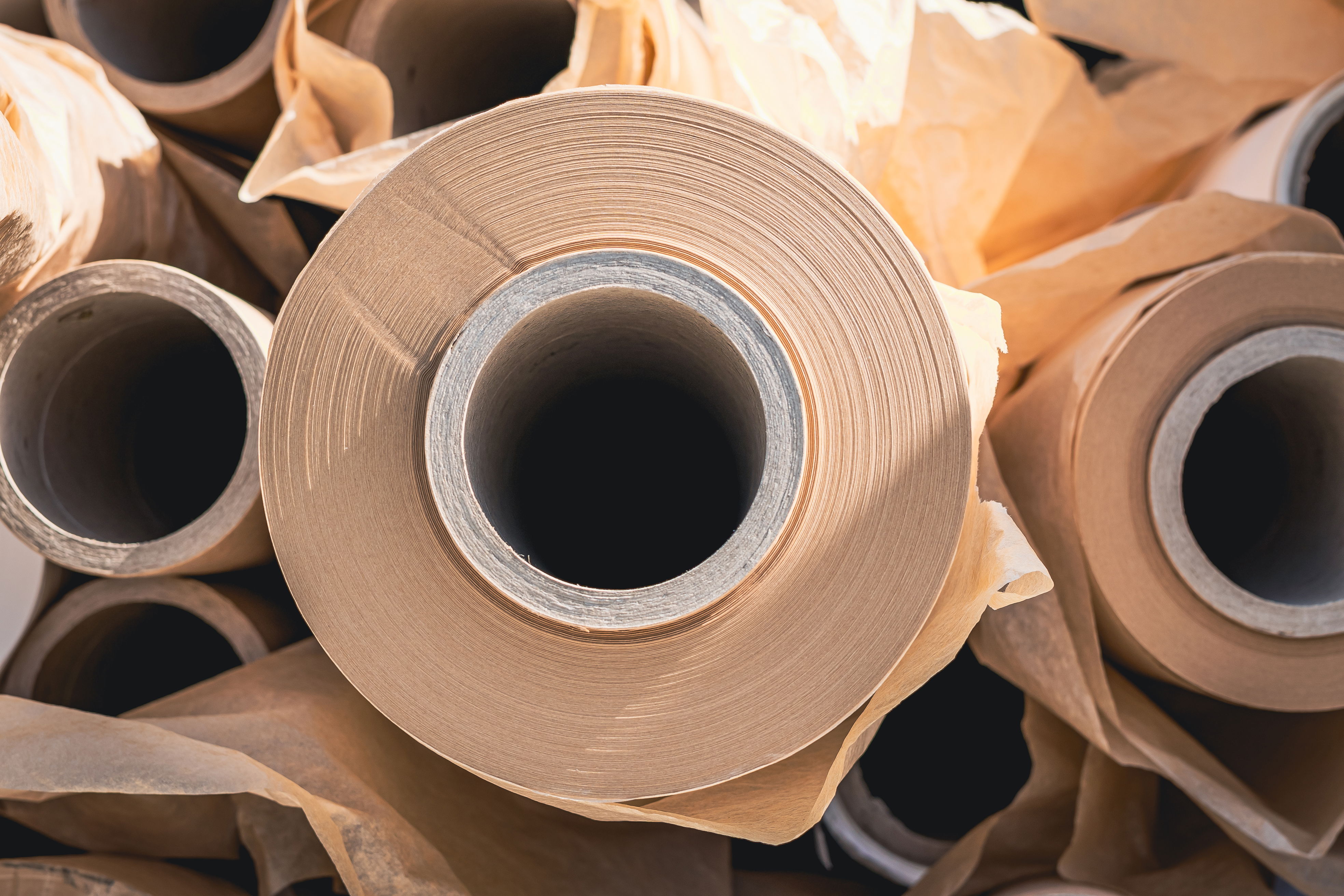
Kraft paper rolls continue to provide reliable, versatile, and sustainable packaging support for industrial and commercial environments. Their strength and flexibility allow them to perform across a wide range of applications including wrapping, surface protection, pallet stability, and product separation. By choosing the right grade, assessing performance requirements, sourcing responsibly, and exploring customised options, businesses can significantly improve their packaging systems while supporting sustainability goals. Partnering with an experienced supplier ensures consistent quality, dependable delivery, and the guidance needed to make informed decisions.
FAQ
How do I choose the right paper grade?
Consider product weight, surface sensitivity, and the level of handling involved. Trialling a few grades helps determine the most suitable option.
Can kraft-based materials replace some plastic packaging?
Yes. Many businesses use fibre-based wraps and sheets to replace specific plastic films or surface protection materials.
Will these materials work with my existing equipment?
Most manual and semi-automated packing setups accept standard fibre-based rolls. For automated lines, your supplier can advise on roll size and tension settings.