Eco Friendly Packaging Australia – Practical Solutions for Modern Operations
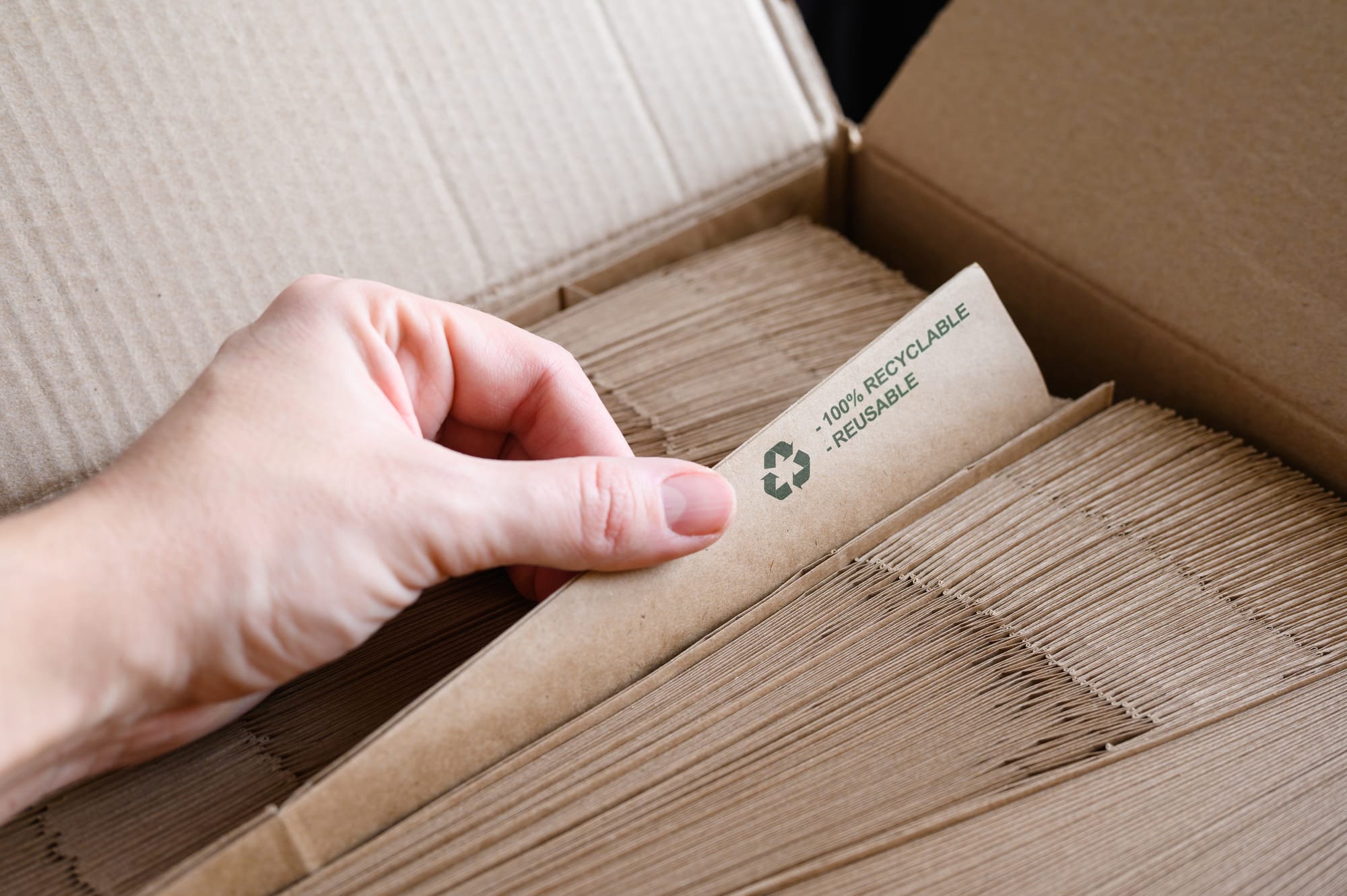
Eco friendly packaging Australia is becoming increasingly important as businesses look for practical ways to reduce environmental impact without disrupting everyday processes. Companies in manufacturing, agriculture, retail, and distribution are turning to materials that are easy to recycle, responsibly sourced, and strong enough for real operational demands. Fibre-based packaging continues to grow in popularity because it offers a balance of durability, cost efficiency, and environmental performance. Materials such as kraft paper rolls, pallet liners, slip sheets, protective sheets, and newsprint wraps allow teams to cut down on plastic while maintaining the reliability required for packing, storage, and transport. Many organisations prefer a gradual approach to improvement, selecting materials that integrate smoothly into their current workflow. This is where a knowledgeable supplier like Ipack Australia provides valuable guidance and consistent quality.
Understanding Eco Friendly Packaging in Australia and How It Fits into Daily Workflows
The shift toward eco friendly packaging in Australia is driven by the need for materials that perform well while supporting simple and effective recycling processes. Businesses want packaging that can handle weight, moisture, and warehouse conditions while remaining easy to dispose of responsibly. As eco friendly packaging Australia becomes a practical expectation rather than a trend, it is important to understand how each material behaves throughout the supply chain. When reviewing options, consider stacking pressure, humidity levels, transport routes, and frequency of handling. Having a clear picture of these conditions helps determine suitable paper grades, protective coatings, and formats that maintain product safety. Consistent materials and clear disposal instructions also support warehouse teams and customers by reducing confusion and streamlining waste management.
Material Options Supporting Sustainable Packaging Goals
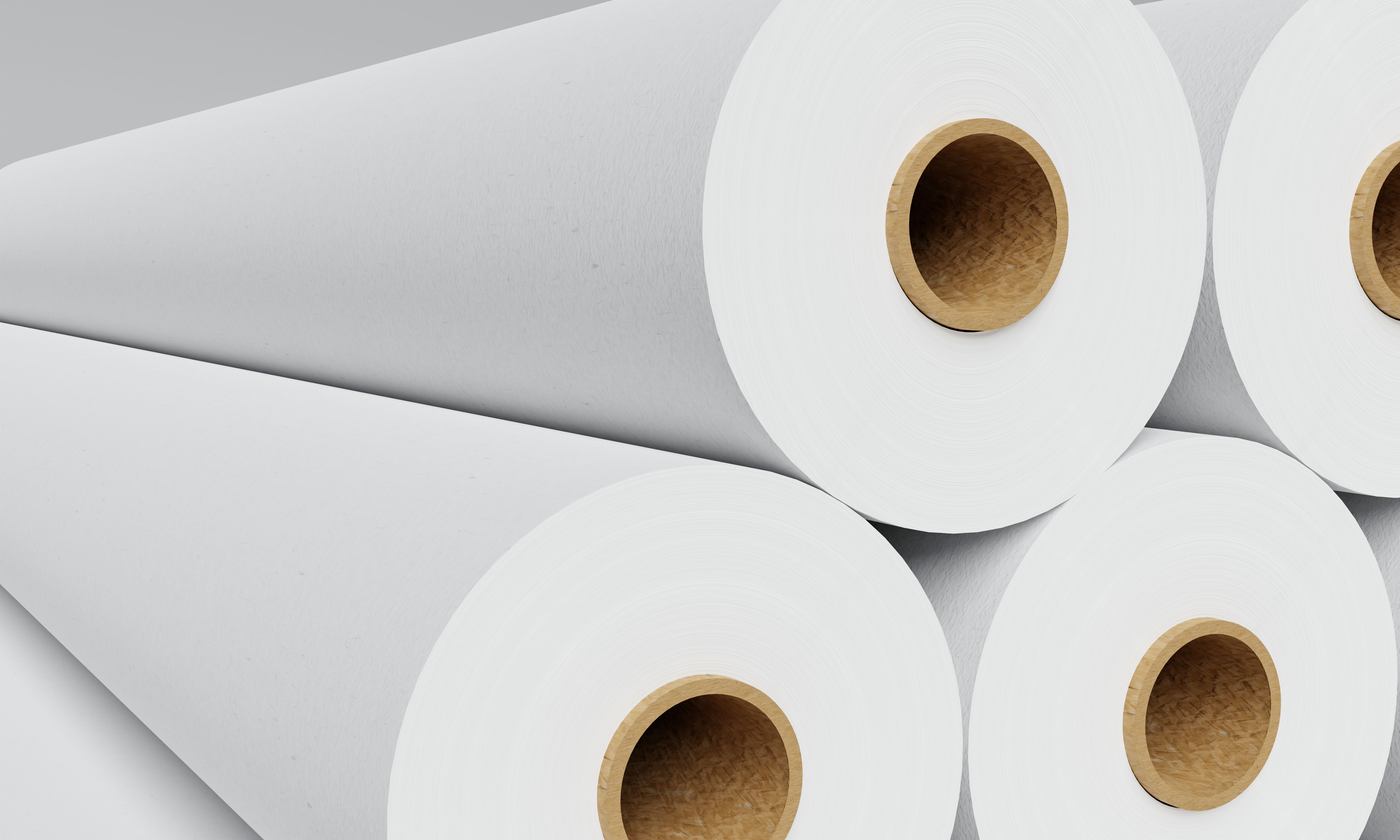
Modern kraft papers and fibre boards play an important role in supporting sustainable packaging goals, especially for businesses looking to improve how they handle materials across packing and distribution. Many companies exploring eco friendly packaging Australia solutions now prefer high recycled-content kraft for wrapping, separating layers, or filling voids, while wet-strength kraft offers dependable performance in environments exposed to humidity or frequent handling. Newsprint rolls remain a practical option for lightweight protection, and solid fibre board sheets provide added rigidity when greater support is required. Working with an experienced supplier such as Ipack Australia helps ensure each material aligns with operational requirements, including strength, pallet stability, and ease of recycling.
Designing Industrial Paper Packaging That Performs in Real Conditions
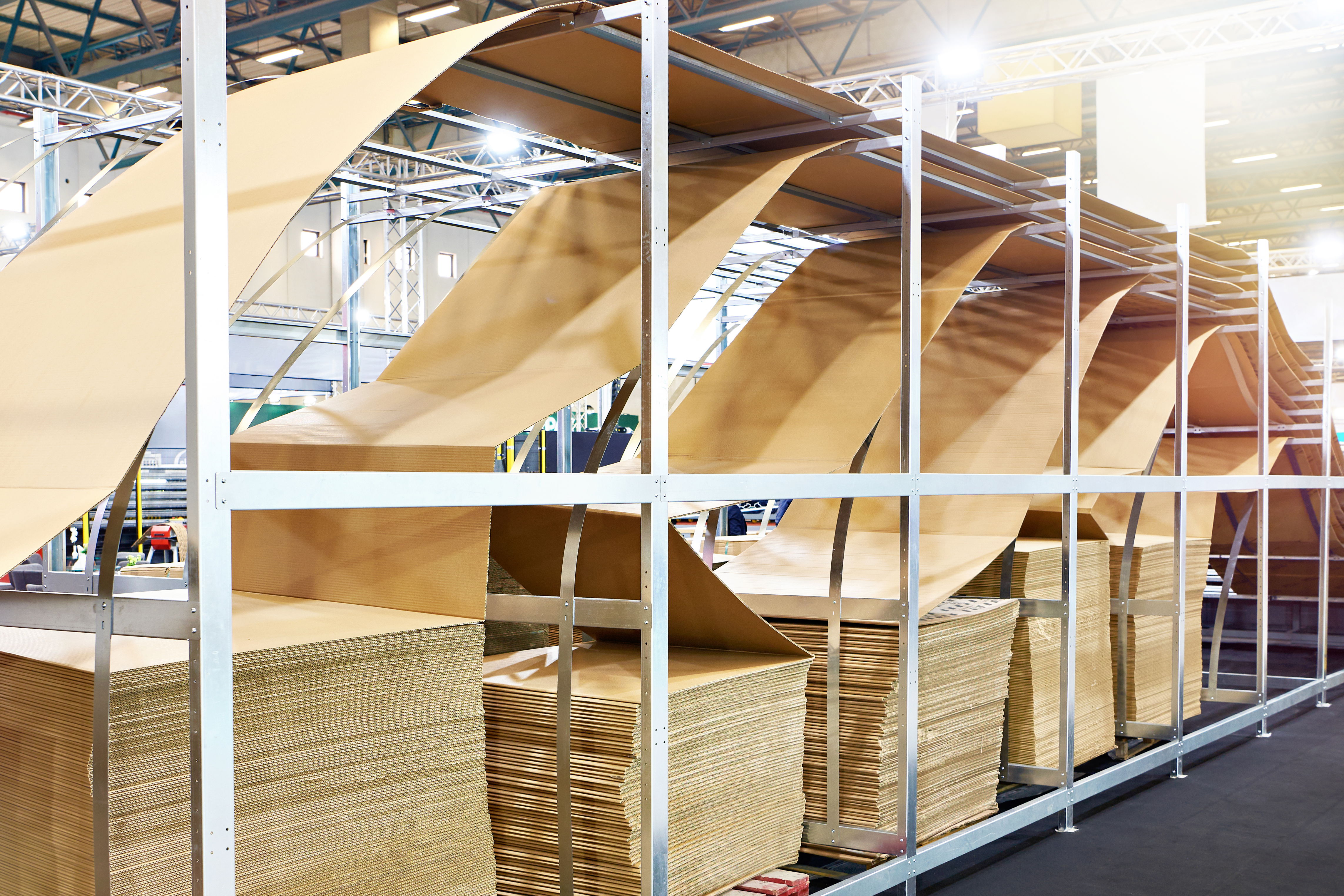
Designing industrial paper packaging begins with understanding how products move through your supply chain. Paper rolls, pallet liners, slip sheets, and fibre inserts are capable of replacing plastics in many scenarios when chosen correctly. Reviewing your production line and freight conditions helps identify areas where recyclable materials can be used without affecting workflow. Testing plays an important part in this process. Running stacking trials, simple drop tests, moisture checks, and vibration simulations provides valuable information about material performance. Feedback from warehouse teams also offers insight into practicality since they work directly with the materials each day. When sustainable packaging is introduced gradually and evaluated through real operational data, it becomes easier to adopt without added cost or complexity.
Sourcing Packaging Materials Responsibly and Ensuring Reliable Supply
Responsible sourcing has become a significant part of packaging decisions for companies looking to improve sustainability without risking stock shortages or workflow interruptions. When reviewing wholesale packaging supplies, consider the traceability of fibres, recycled content percentages, and the supplier’s converting capabilities. Local converting is especially beneficial when custom dimensions or shorter lead times are required. A dependable supplier provides clear material specifications, consistent quality control, and stable stock levels. Strong delivery networks and responsive support are essential for businesses managing varying production volumes. Long-term supplier relationships also make it easier to introduce updated materials and adopt improved sustainable choices as new options become available.
Using Custom Packaging Solutions to Reduce Waste and Improve Efficiency
Custom packaging solutions are an effective way to reduce excess material and improve workflow efficiency. Tailored paper rolls, sheets, and fibre components help ensure products are packaged securely while avoiding unnecessary offcuts. Working with a supplier that completes all converting in-house such as Ipack Australia offers greater flexibility with adjustments to widths, lengths, and material grades. Testing customised solutions across a small selection of products helps confirm whether they improve damage resistance, packing speeds, or overall material usage. Once proven, these solutions can be gradually expanded across the business, supporting long-term sustainability goals and consistent workflow improvements.
Conclusion
Eco friendly packaging Australia is steadily moving toward practical fibre-based solutions that align with the real needs of industrial and commercial operations. By focusing on reliable materials, responsible sourcing, and gradual improvements, businesses can reduce environmental impact without compromising performance. Whether upgrading existing packaging, trialling new materials, or exploring alternatives to plastic components, partnering with an experienced supplier ensures informed decisions and a dependable supply chain. With thoughtful planning and the right support, sustainable packaging becomes a natural and effective part of long-term business operations.
FAQ
What is eco friendly packaging?
It refers to packaging made from recyclable or renewable materials that reduces waste and supports responsible disposal.
Can fibre-based materials replace some plastics?
Yes. Many paper-based options provide strong protection and can be used for wrapping, layering, and surface protection.
Are these materials suitable for industrial use?
Most fibre packaging grades are designed for heavy handling, stacking, and transport, making them suitable for manufacturing, agriculture, and distribution.